
In the latest edition of Forbes’ Highest-Paid Athletes List, Serena Williams stands out as the only woman among the top earners, shedding light on the persistent gender pay gap in sports. With a remarkable earnings figure of $45.3 million in the last 12 months, Williams reaffirms her status as one of the most successful athletes across all disciplines.
Williams’ inclusion on the prestigious list comes at a time when efforts to address and close the gender pay gap have gained significant traction. Brett Knight, a Forbes staffer, points out that the revenue disparity between women’s and men’s sports leagues remains a significant hurdle, contributing to the lack of representation of female athletes on such lists.
While Williams has consistently featured in the top 50 highest-paid athletes for several years, her appearance on the list is bittersweet. She recently expressed her intention to step away from tennis to prioritize her family, making it likely that this will be her final appearance on the coveted ranking. Throughout her illustrious career, Williams has ranked among the top 50 on six occasions and has amassed a staggering $470 million in earnings since turning professional in 1995.
Sadly, the dearth of women athletes on the Forbes list has been a prevailing trend. Looking back to 2012, only three other women have made the top 50: Naomi Osaka, Maria Sharapova, and Li Na. In 2017, 2018, and 2019, no women featured on the list at all. This scarcity underscores the challenges faced by women in achieving financial parity with their male counterparts in the sporting world.
One key factor contributing to the gender pay gap is the difference in revenue streams. Women athletes have historically had fewer off-field opportunities compared to their male counterparts. However, the tide is slowly turning, as more brands recognize the value of women’s sports as a driver of their business. Athletes like Simone Biles, Emma Raducanu, and Venus Williams, along with Williams and Osaka, have earned eight-figure incomes through endorsements and other business endeavors in 2022.
Nonetheless, the issue of on-field compensation, including salaries and prize money, remains a major hurdle. Disparities in league revenue play a significant role in perpetuating the gender pay gap. For instance, a National Research Group report revealed that all women’s sports broadcast rights in the U.S. amounted to a mere $47.7 million, whereas the NBA alone averages $2.66 billion from its rights deals with ESPN and Turner Sports.
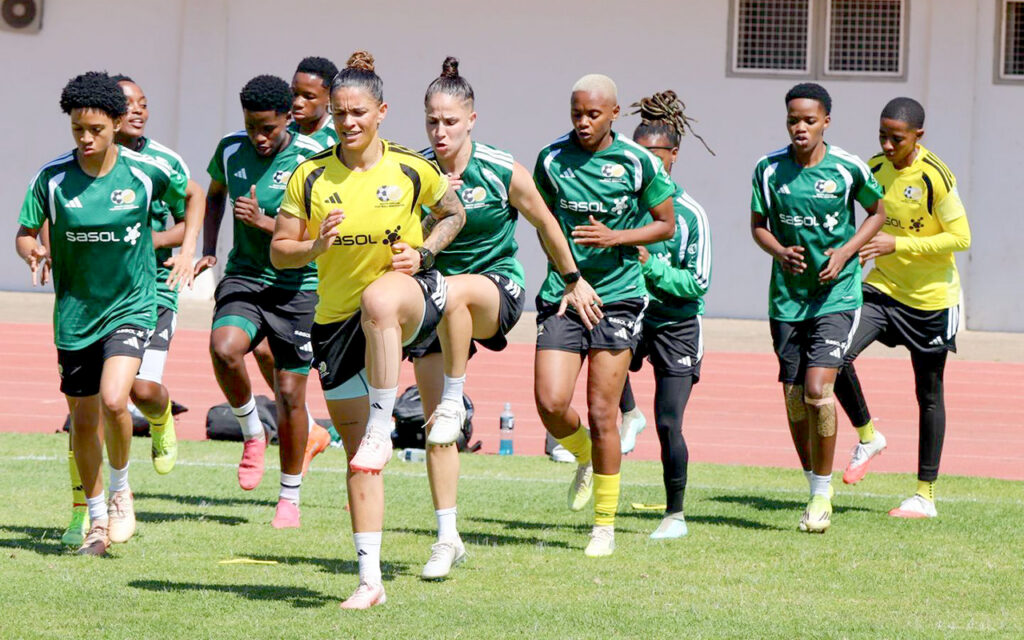
While progress is being made in women’s sports, with increased media coverage, rising TV ratings, and improved prize money in events like the Women’s World Cup, there is still a substantial gap to bridge. Efforts to secure equal investment, resources, and recognition for women athletes must continue to create a more equitable landscape.
The inclusion of Serena Williams as the sole woman on the Forbes Highest-Paid Athletes List 2023 serves as a powerful reminder of the work that lies ahead to address the gender pay gap. It is imperative to support and uplift women athletes, advocating for equal opportunities, increased financial backing, and a level playing field. Only through collective efforts can we strive for a future where women athletes receive the recognition and financial rewards they rightfully deserve.
THREE WAYS to boost your efforts to become financially successful:
1. Build Strong Personal Branding and Endorsement Deals: Establishing a strong personal brand and securing lucrative endorsement deals is crucial for increasing earnings in the world of sports. Women athletes should focus on cultivating their unique identity, engaging with fans through social media, and showcasing their achievements both on and off the field. By partnering with reputable brands and aligning themselves with products or causes that resonate with their audience, women athletes can boost their marketability and attract valuable endorsement opportunities.
2. Leverage Off-Field Opportunities: While on-field compensation may be limited due to disparities in league revenues, women athletes can explore off-field opportunities to diversify their income streams. This includes capitalizing on appearances, licensing, and business endeavors. By leveraging their personal brand and expanding their presence beyond the sporting arena, women athletes can secure partnerships, collaborations, and investment opportunities that contribute to their financial success.
3. Advocate for Equal Investment in Women’s Sports: Women athletes, along with their supporters and industry stakeholders, should actively advocate for equal investment in women’s sports. By pushing for increased media coverage, sponsorships, and prize money, women can create a more equitable landscape that rewards their talent and accomplishments. Collaborating with sports organizations, media outlets, and influential figures within the industry can help drive meaningful change and provide better financial opportunities for women in sport.
Editor’s Note: This article references the Forbes’ Highest-Paid Athletes List and Forbes staffer, Brett Knight’s deep dive read into women athletes financial success.
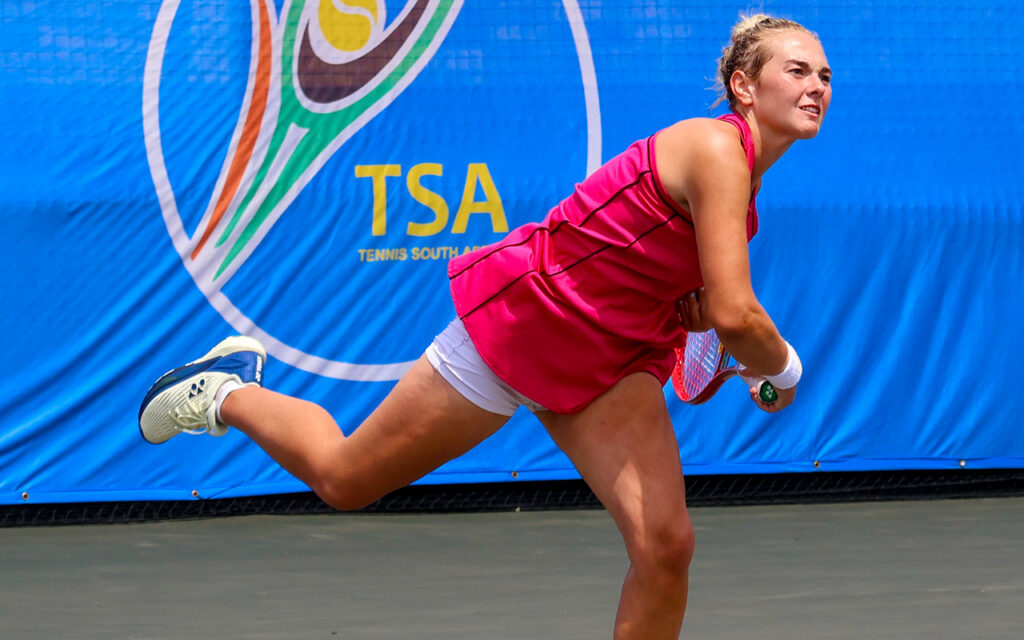
Photo Credit: Serena Williams stands out as the only woman among the top earners in the latest edition of Forbes’ Highest-Paid Athletes List, shedding light on the persistent gender pay gap in sports. With a remarkable earnings figure of $45.3 million in the last 12 months, Williams reaffirms her status as one of the most successful athletes across all disciplines. Photo: Selena Williams / Instagram

 (0 rating, 0 votes, rated)
 Loading...