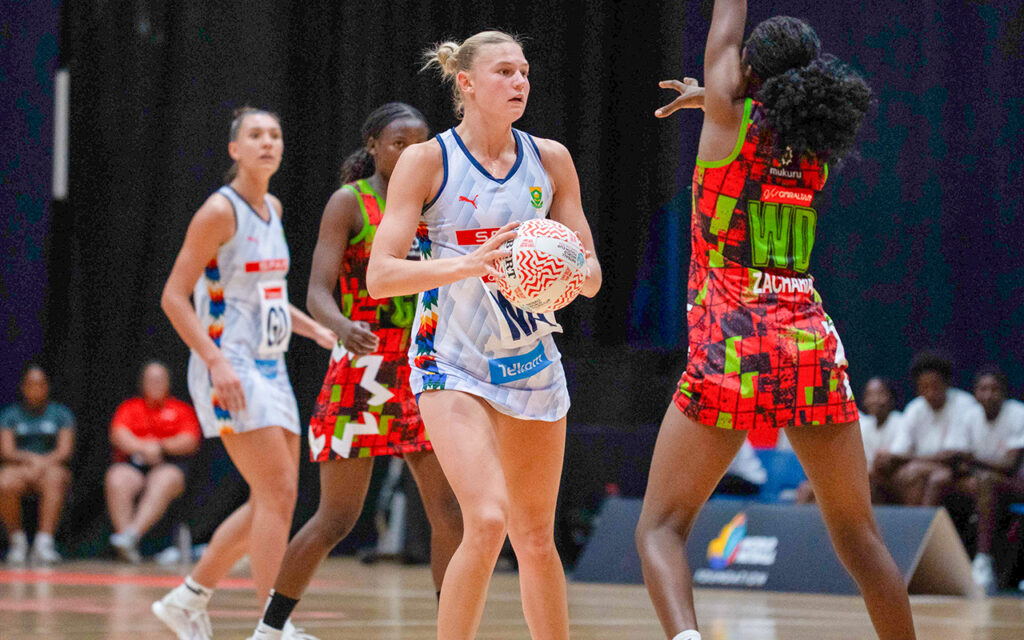
“All sporting federations in South Africa still treat women as ‘add-ons.’ This is more so in team sport that it is in individual sport and for this reason, most women athletes remain marginalized. The challenge would be to mobilize and consciountise women to ensure they become truly liberal.”
Minister of Sport and Recreation South Africa, Rev. Dr Makhenkesi Stofile echoed the above sentiment when addressing delegates at the South African Women, Sport and Recreation Conference 2006 held at the Sandton Convention Centre today.
The Minister said that while this Conference is vital in empowering women in sport, the reality is that a large number of these women, do not form part of active participation in sport. “This Conference must inspire hope to the daughters of South Africa. It must mobilise all of us for change, like the great march of the 9th August 1956.”
“This Conference must provide a clear direction for federations, sponsors, activists and players. It must provide a firm policy base for our government as we are trying to speed up the change.”
“A quick look at the organisation, budget and media coverage of such codes as football, rugby, cricket, netball, hockey etc will verify our argument. Funders, too, are very prejudiced against women in sport.”
“Exactly as the case was against black communities and the non-racial sports movement during the unfortunate past of our country. This must change,” added the Minister. These engagements need to filter down to the provinces with the aim of reviving community clubs and recreational activities.
Ms Melinda Lombard, Specialist Producer for Women in Sport TV Programme said that women sport does make fascinating interest. She said that the content of the programme has not only managed to uncover new talent, but also ensured that these women’s stories continue to inspire other potential future stars.
“Their stories make the programme watchable and that should be evident that women’s sporting feats can and do make fascinating viewing, ” said Lombard.
Prof Cora Burnette mentioned that issues and challenges faced by South African women include the stereotypical negativity around certain sporting codes. “Some women have faced the discrimination around the dressing code on sports and often been labeled with negative connotations.”
Burnette also highlighted the bias towards women coverage with provocative portrayal in the fields of sport – and in dealing with these, it is pivotal that resolutions adopted at this gathering are effectively implemented.
Today’s Conference has direct linkage with 2006 as the “Year of the Women,” appropriately coinciding with the 50th anniversary of the women march to the Union Building in 1956. The broader objectives of the Conference are to mobilize and increase the number of women and girls participation in sports.
It is also aimed dealing with areas facing the development and participation of women, but most importantly as the Minister and delegates emphasized, the Conference must come out with strategies and concerted efforts to address these challenges.

 (0 rating, 0 votes, rated)
 Loading...