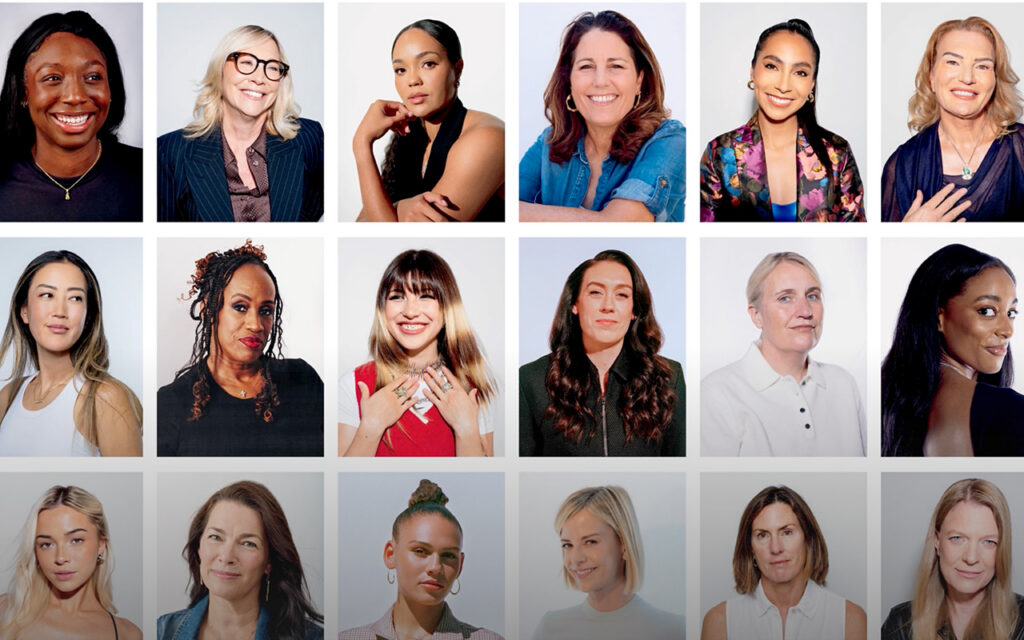
Some of the most valuable thinking on the business of women’s sport is being produced beyond our borders, and the gsport community deserves to hear it. This piece draws on “The Long Game”, a Bloomberg feature published on 19 October 2026 and written by Ira Boudway, Randall Williams, Vanessa Perdomo, Hannah Elliott, Amanda Mull and Erika Tulfo.
Their insightful reporting gathers the voices of trailblazers and current stars to chart the remarkable rise of women’s sport in the United States. Every fact, figure and interview insight that follows comes from their work, and we are grateful to them for it. Our aim is to share its leading thoughts with South African readers and to consider what these international trends mean for women’s sport at home.
The argument over whether anyone will watch women’s sport is over in the United States, and in the original piece, some of the most influential women in American and international sport reflect on their journey from the margins to the mainstream.
The foundation was laid in schools. Bloomberg cites Women’s Sports Foundation figures showing that in 1972, the year Title IX outlawed gender discrimination in American education, roughly one girl in 27 played sport. Today the figure is close to one in two. Yet for decades that vast pool of talent met a closed door at professional level, with executives doubting that audiences existed.

From Lord’s to Nairobi, the Numbers Now Favour Women’s Sport
Nwabisa Sauls Unlocks the Power of Commercial Analytics at Nielsen Sports SA
The Power of KG
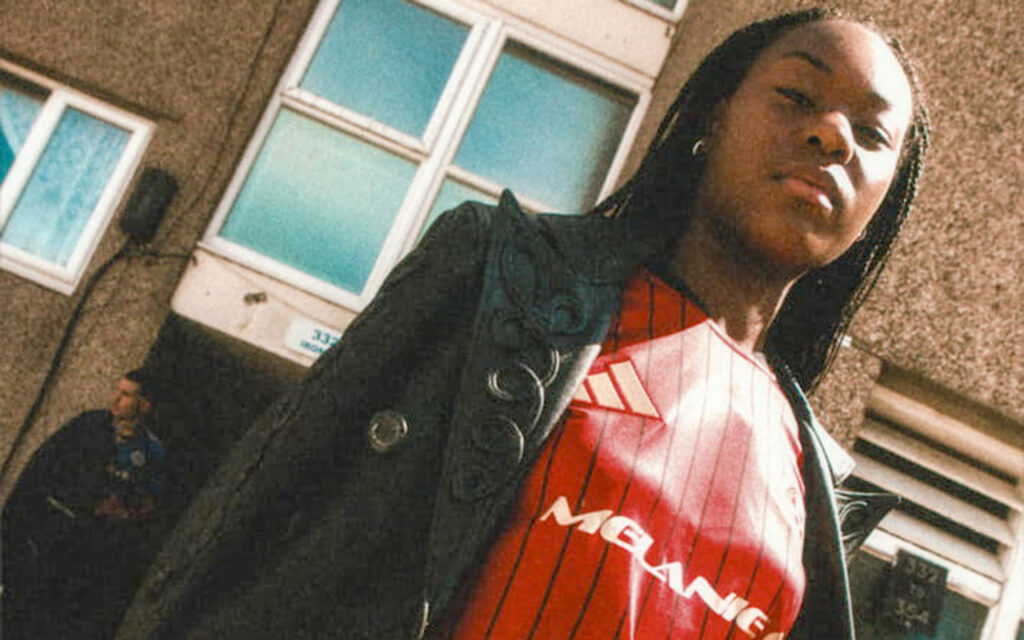
Sporty Spice Melanie Chisholm Backs Sheffield FC Women

Telkom and Netball South Africa Take Life Skills Beyond the Court at TNL 2026

SAFA and Hollywoodbets Unveil Bold New Era for Women’s Football in South Africa
That doubt has now given way to evidence. According to Bloomberg, the WNBA has just completed the first season of a $3 billion media rights agreement, posting its best ratings and funding historic pay increases for its players. Sportico valuations cited in the feature place the average National Women’s Soccer League club at more than $180 million, a rise of 77% in two years. New professional leagues have launched in volleyball, baseball and hockey, and the NFL has committed to a women’s professional flag football league in 2027.
Audiences came first, and investment followed. Leah Edmond, MVP of Major League Volleyball’s inaugural season, described walking into an arena filled with 15,000 spectators who had come to watch professional women’s volleyball, a scene she never imagined while playing college volleyball.
Women athletes are now determined to own a share of the value they create. Napheesa Collier, the Minnesota Lynx forward who co-founded the Unrivaled 3-on-3 league alongside Breanna Stewart, explained that the league gave every athlete equity from the outset because women players had watched everyone else profit from the growth of their sport.
“You don’t have to convince people to invest in women’s sports anymore.”
Two-Time FIFA Women’s World Cup Winner, Julie Foudy
Former college gymnast Livvy Dunne and softball pitcher NiJaree Canady, college softball’s first million-dollar name, image and likeness athlete, show how women have built personal brands and real commercial value during their college careers.
Off the field, the battle is easing, though it is not yet won. Julie Foudy, the two-time FIFA Women’s World Cup winner, recalled how much of her national team career was consumed by contract disputes and fights for fair treatment, energy that could otherwise have gone into performance.
Commercial backing is reaching women earlier in their careers. Susie Wolff, managing director of F1 Academy, noted that young female drivers can now be contracted to Formula 1 teams in their early teens, racing with major brand partners, something that did not exist five years ago. Diana Flores, quarterback and captain of Mexico’s national flag football team, pointed to her appearance in a 2023 Super Bowl commercial as a turning point in how brands and investors view her sport.
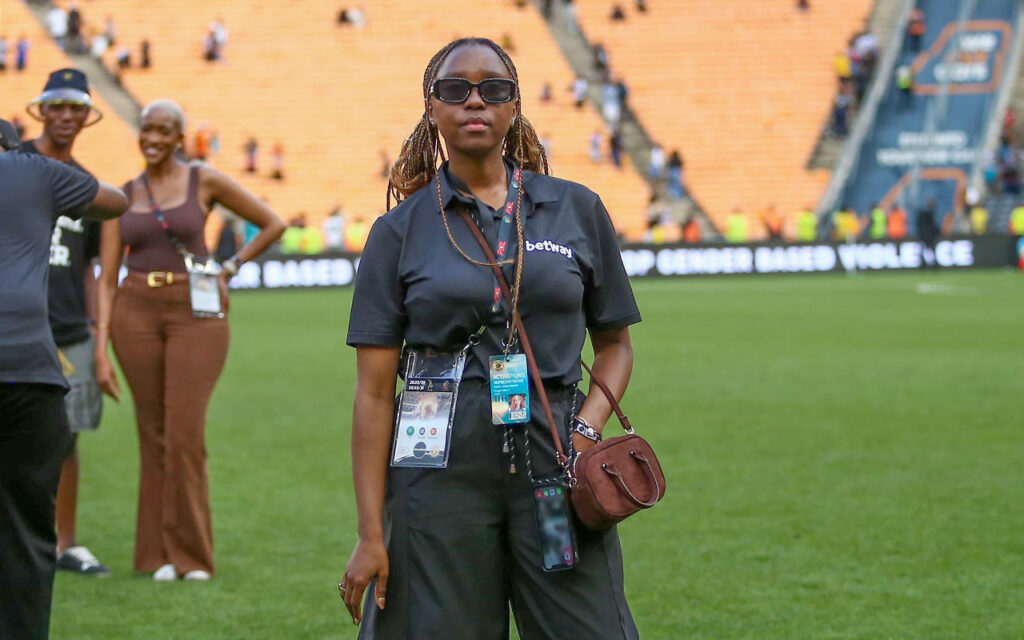
Tswelopele Mohapi Is Writing Her Own Story in Sports PR
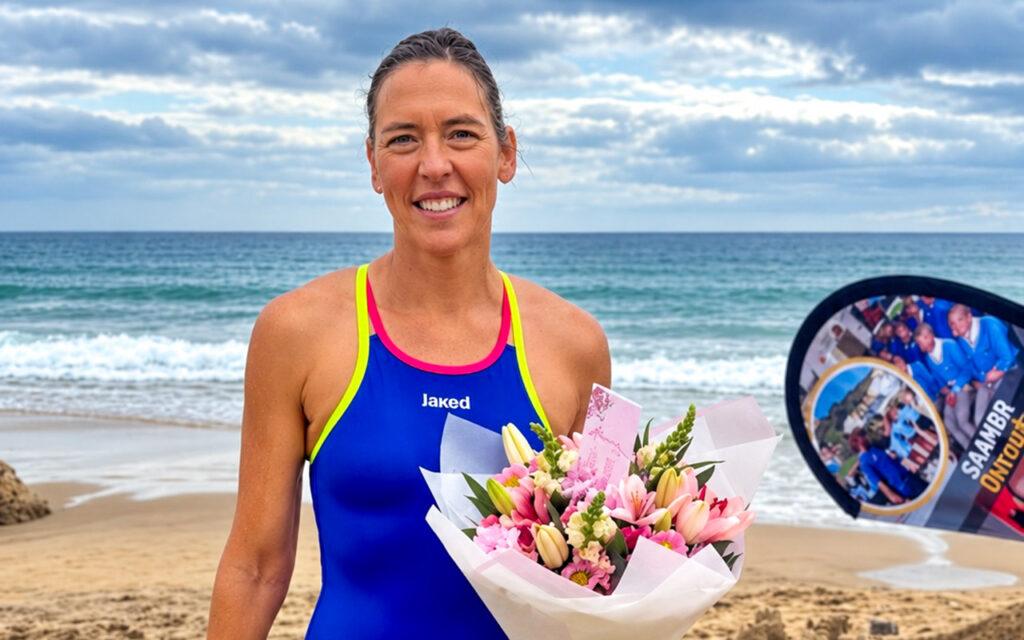
Carina Bruwer: A Decade of Swimming for South African Causes
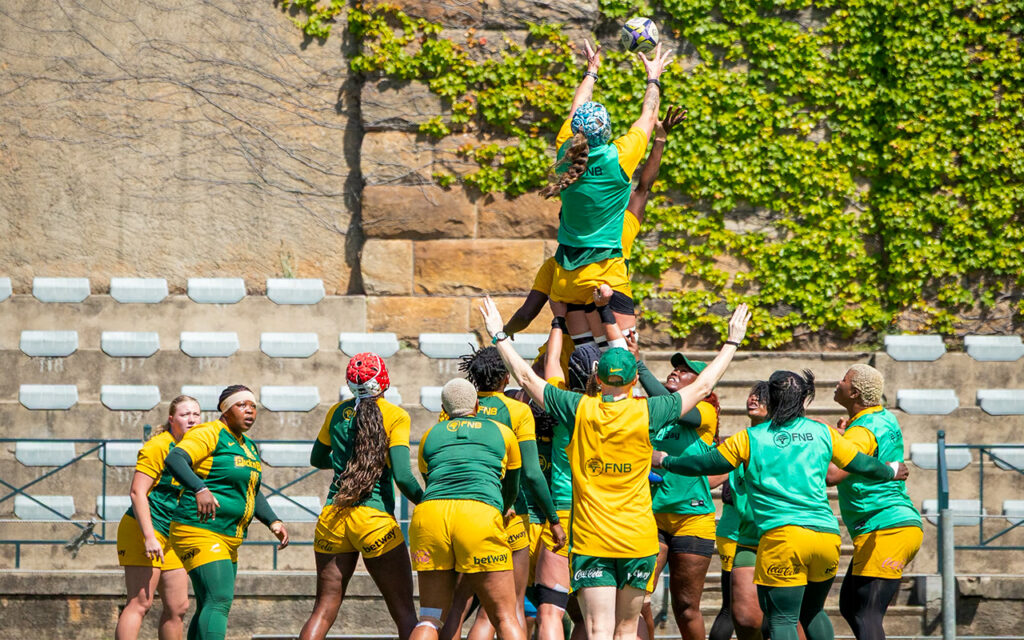
Springbok Women Tweak Side for Final WXV Test against Ireland
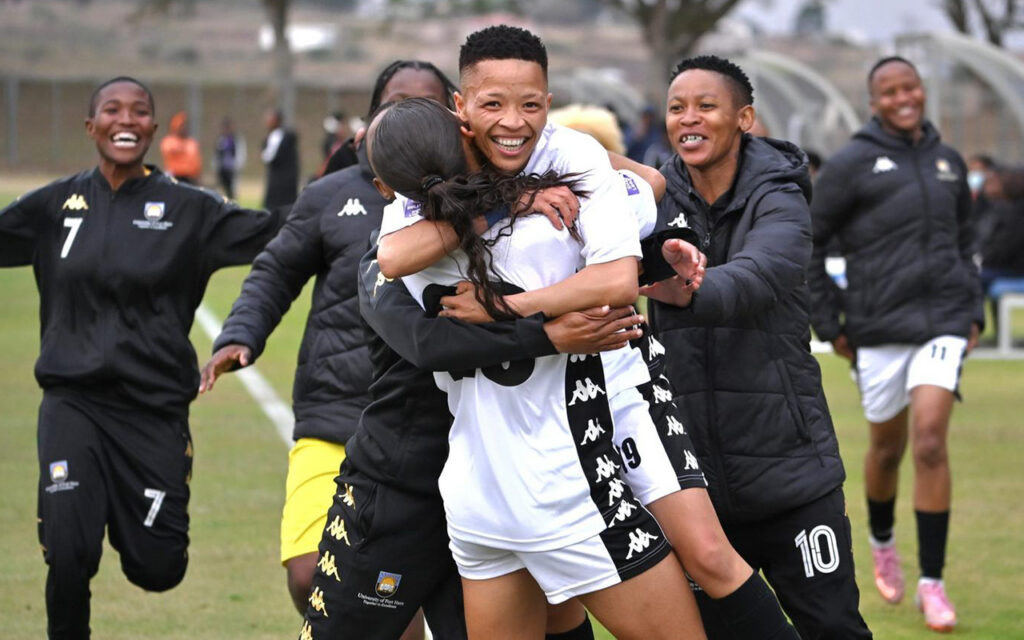
Fort Hare Stun JVW, Stellies and Diepkloof Boost Survival Hopes
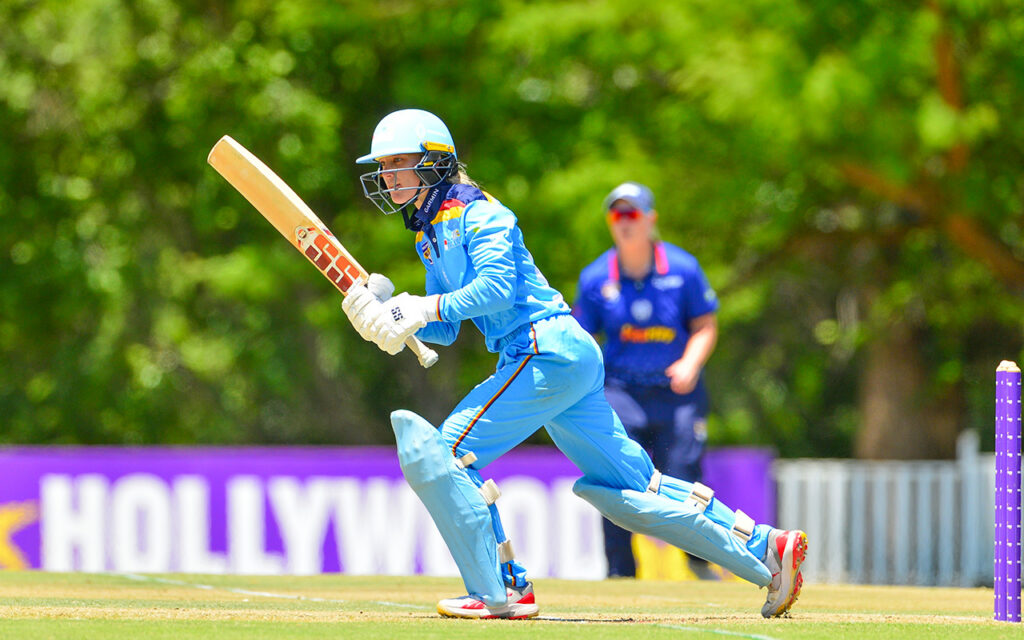
Anneke Bosch and Annerie Dercksen Maintain Pro20 Records
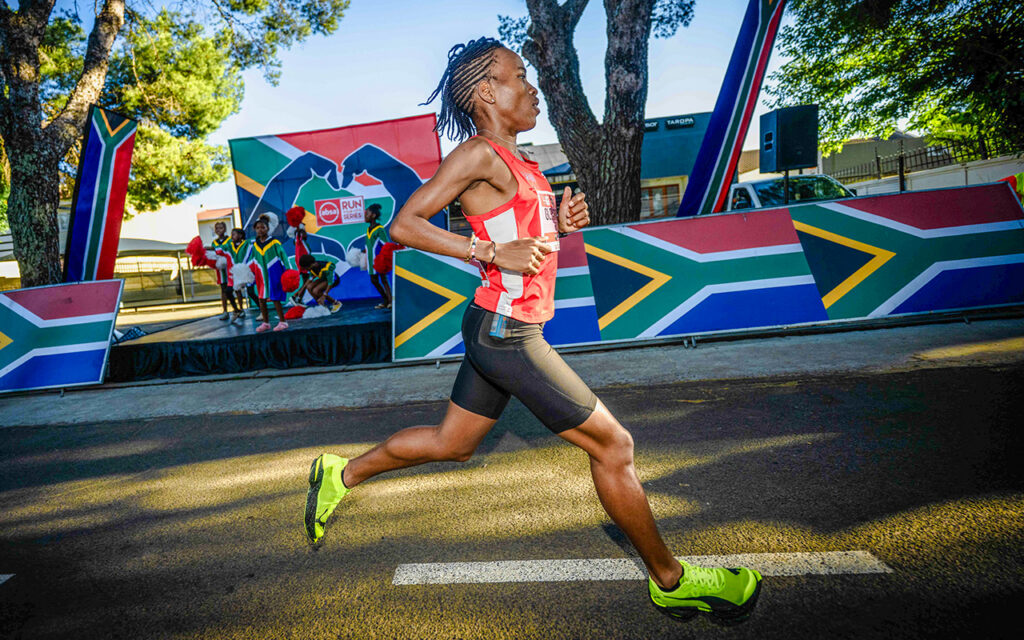
Glenrose Xaba Wins Inaugural Absa Run Your City Mangaung 10k
None of this would have been possible without those who came first. Sue Wicks, who played in the WNBA’s inaugural season, remembered that receiving her first school team uniform felt monumental because nothing like it had existed for her before. US women’s national team head coach Emma Hayes reflected that she grew up without role models in women’s football and now works in a professional industry few believed would ever exist.
For South Africa, the American experience offers both encouragement and a template. Participation builds the talent, visibility builds the audience, and audiences build the commercial case. The lesson from the United States is that when broadcasters, brands and investors finally act on that case, women athletes must be positioned to share in the rewards they generate.
End note: All factual information in this article is drawn from “The Long Game” by Ira Boudway, Randall Williams, Vanessa Perdomo, Hannah Elliott, Amanda Mull and Erika Tulfo, published by Bloomberg on 19 October 2026.
Click here to read the original feature at Bloomberg
Main Photo Caption: Screengrab (incomplete) of the interviewee photo wall in “The Long Game”, Bloomberg, 19 October 2026. The original piece features trailblazers and current stars whose reflections trace how audiences, investment and athlete ownership have transformed women’s sport in the United States, in a feature published on 19 October 2026. Image: (C) Bloomberg 2026

 (0 rating, 0 votes, rated)
 Loading...