

When Nwabisa Sauls reflects on the path that brought her into the heart of commercial sports analytics, she traces her early steps to an childhood spent moving between the Eastern Cape and KwaZulu-Natal. While her primary schooling took place in Durban, holiday periods were spent immersed in family life in the Eastern Cape, two distinct environments that grounded her sense of community and leadership.
Sport was a constant backdrop throughout those developmental years, although she readily admits that her natural strengths lay outside field participation. She eventually realised that her optimal relationship with sport was that of a dedicated supporter, a perspective that ultimately shaped her professional calling.
Her entry into the corporate sphere was initially sparked by an unexpected source, the television drama Generations, which opened her eyes to the dynamic world of corporate communications, public relations, and marketing. Pursuing a qualification in PR and Communications, she took her first formal step into sports administration through an internship in the marketing department of the Gauteng Cricket Board, the home of the Lions.
That exposure revealed an entire ecosystem operating behind the matches, encompassing sponsorships, marketing strategies, brand partnerships, and fan engagement frameworks. It was her first introduction to the commercial engine of the sports industry.
“Until then, you know, I understood sport as something that you watched, or you participated in, and suddenly I was seeing everything happening behind it.”
Nwabisa Sauls, Nielsen Sports SA Senior Commercial Manager
Although numbers can intimidate many pursuing media and communication paths, Sauls felt right at home due to a strong high school foundation in commerce subjects, including accounting and economics. Combining academic training with commercial literacy allowed her to navigate data-driven environments with natural confidence.
Today, as Senior Commercial Manager at Nielsen Sports SA, she operates at the intersection of data, sport, and commercial business. Her core focus involves identifying client objectives, deciphering audience trends, and transforming data into actionable strategic solutions for brands and rights holders.

Over recent years, Sauls has observed a clear maturity in how corporate brands approach women in sport. Conversations have shifted dramatically from basic advocacy where brands questioned why they should invest in women’s properties to sophisticated commercial discussions focused on audience reach, property availability, and long-term brand alignment.
In 2023, she fronted the landmark Women at the Forefront study by Nielsen Sports SA, which challenged old industry assumptions by illustrating the true scale, commercial relevance, and buying power of the African female fan.
“When we look at these audiences, we see both men and women engaging. So when a brand invests in women’s sport, it shouldn’t automatically think ‘I’m buying access to a female audience’. You are buying access to a sports audience.”
The insights gathered from major global tournaments hosted or broadcast locally, including Banyana Banyana’s FIFA Women’s World Cup campaign and the Netball World Cup in Cape Town, proved that local appetite for women’s sport is both massive and mainstream.
The data highlighted that women’s sports properties do not attract female viewers exclusively; they command broad attention across all demographics. When brands invest in women’s sport, they are purchasing access to a general sports audience rather than a narrow niche.
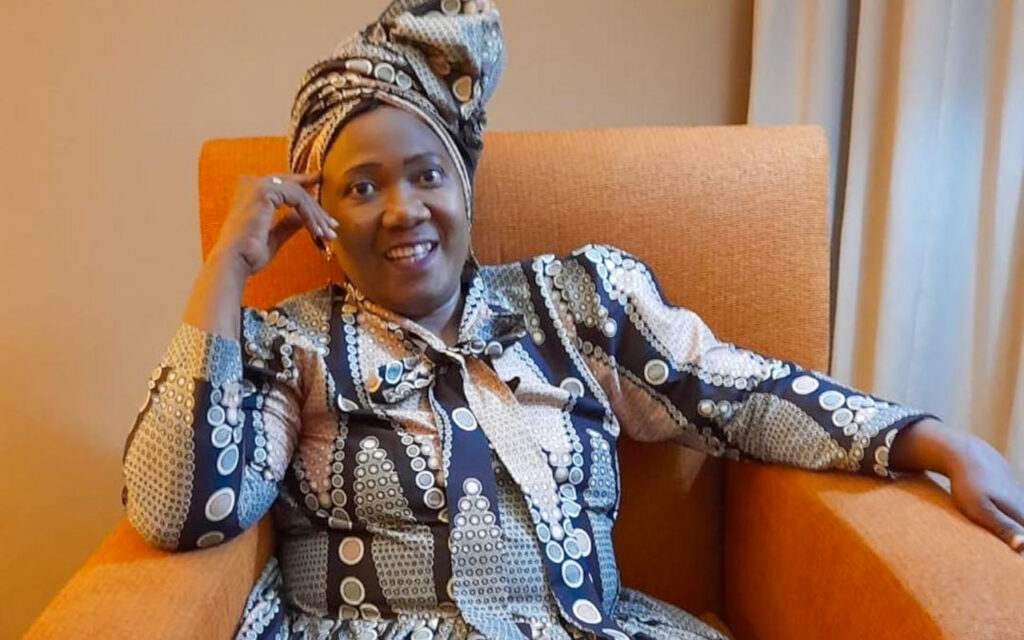
Martha Lungu-Sichone and Malebo Raditladi-Nkgakile Build the Structure Behind Africa Netball’s Growth

Prabashnee Naidoo and Ester Baaitjies Named 2026 GSPORT Ambassadors
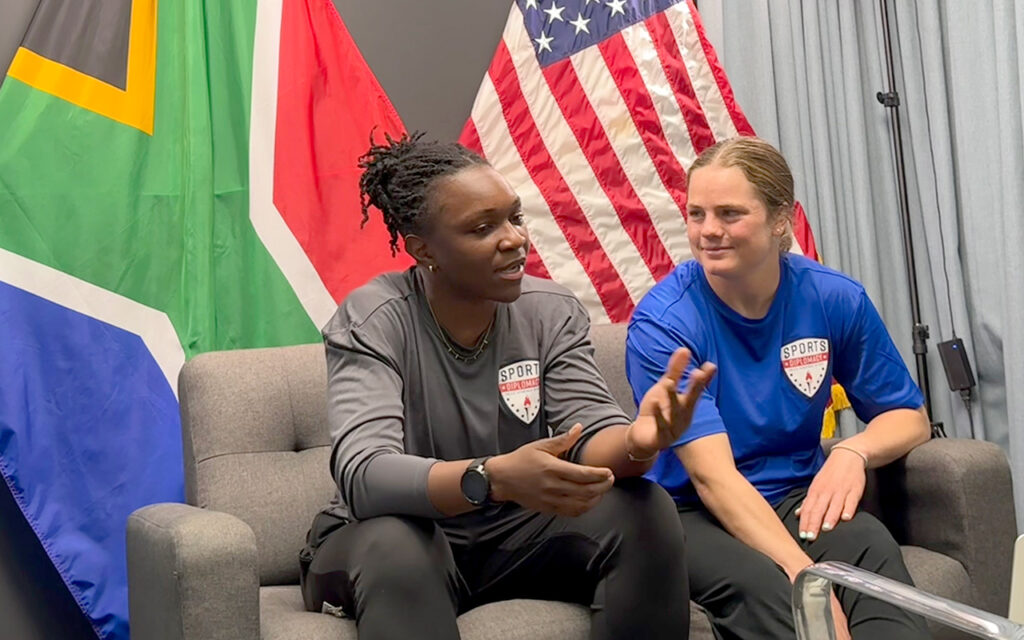
USA Eagles Stars Cheta Emba and Emily Henrich Champion Women’s Rugby Growth in South Africa

Berto Mnikina on Fight, Fatherhood and Harry Gwala’s Golden Turnaround

Player, Then Performance: Dinesha Devnarain on Building Cricketers and Leaders
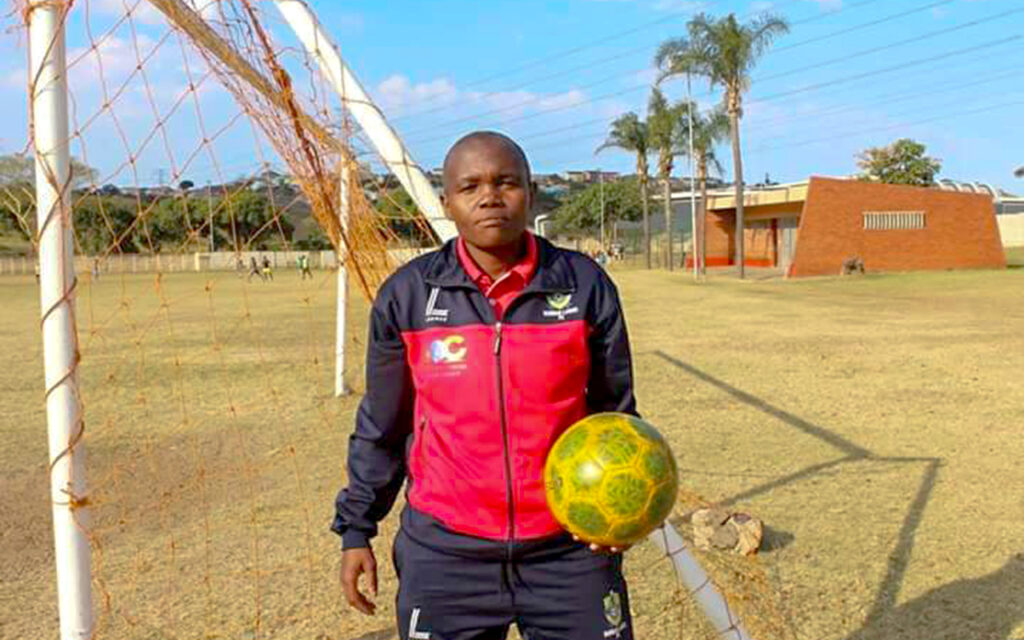
Bantwana Coach Ntombifuthi Khumalo Sees Youth Month as a Promise to the Next Generation
Through initiatives like Nielsen’s SIYA Fan Fact Friday, Sauls and her team systematically unpack data points for public consumption. Recent findings revealed that 72 percent of female Springbok fans report high interest in the national team.
Female rugby fans are actively engaging across fragmented media touchpoints, including linear television, streaming services, social media channels, and episodic digital content. Recognizing this deep fandom allows brands to build authentic, year-round campaigns that go far beyond standard tournament-driven activations.
“So the benchmark shouldn’t be ‘how big are you’. It should be ‘where are you going, who are you reaching, and what value is that creating for my brand’, for example.”
Evaluating the return on investment in women’s sport requires moving beyond rigid, traditional media value metrics that often penalise emerging properties.
Sauls emphasizes that sponsorship value is multi-dimensional and must be measured against clear strategic goals, whether building brand affinity, expanding customer acquisition, or driving community impact. A property with a smaller current footprint but rapid year-on-year growth can offer a superior commercial opportunity compared to a static, mature property.
Unlocking the full market potential of women’s sport requires active collaboration across the industry. Rights holders must package commercially viable assets, broadcasters must maintain consistent visibility, and corporate sponsors must commit to sustained, multi-year investments. Federation leaders are encouraged to approach corporate South Africa with clear audience metrics, well-defined digital inventory, and joint growth strategies rather than relying on charitable appeals.
“A great story can create interest, data tells us whether the interest is becoming a behaviour, and then the data can reveal the next story you should be telling basically.”
Data and narrative work hand in hand to elevate female athletes. The growth of the Proteas Women provides a compelling example, where stellar performances on the pitch combined with rich personal storytelling drove a 21 percent increase in SuperSport’s unique live audience in 2024, reaching over 1.2 million unique viewers.
Storytelling creates emotional connection, while data measures how that connection translates into sustained fan behaviour.

South Africa Complete Fightback to Share Namibia Indoor Series
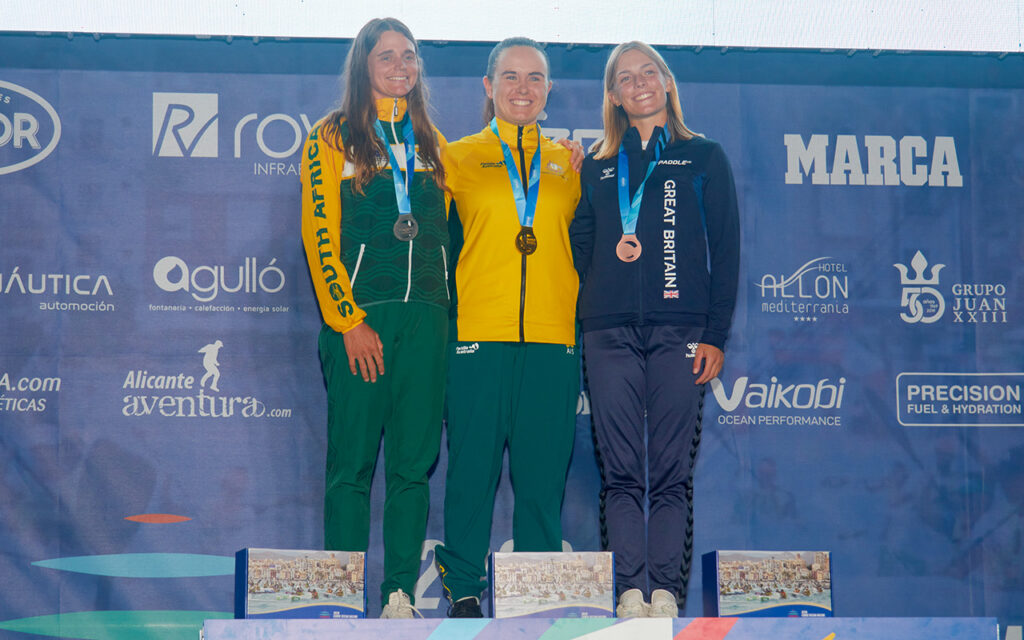
Kira Bester Claims World Championship Silver in Spain
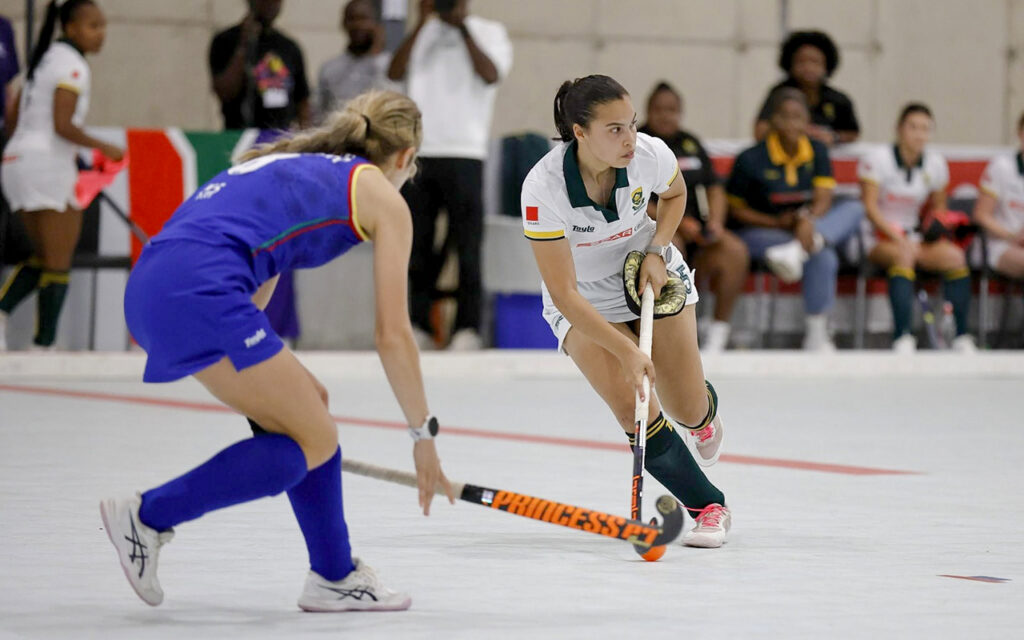
South Africa Fight Back to Keep Namibia Series Alive

Ronnel Donnelly Treble Hands Banyana Banyana First-Leg Lead

Leila Grögli Double Sinks South Africa in Opening Indoor Test

Laura Wolvaardt Leads Titans into Gauteng Derby Against Lions
As a woman leading commercial discussions in historically male-dominated sectors, Sauls advises emerging leaders to focus on subject mastery, confidence, and authentic expression. Influence does not require being the loudest person in the room; it requires solid preparation, clear insights, and a willingness to contribute a distinct point of view.
Looking ahead, Sauls remains committed to driving commercial intelligence that positions South African women’s sport as a powerful, self-sustaining business force.
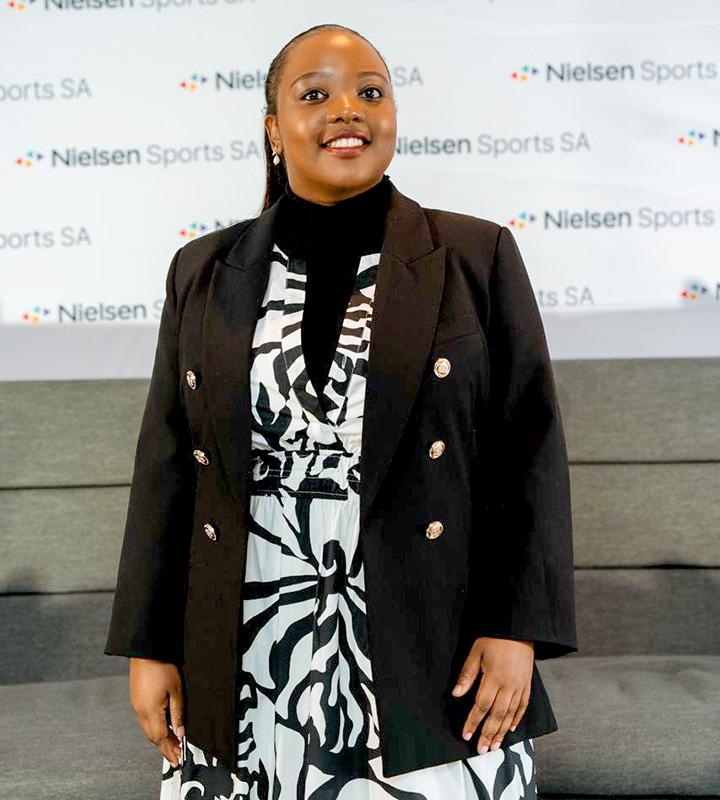
Main Photo Caption: Senior Commercial Manager at Nielsen Sports SA Nwabisa Sauls discusses how data analytics and commercial strategy are unlocking new growth opportunities for South African women in sport. All Photos: Supplied
Photo 2 Caption: The sports data aficionado highlights the changing landscape of women’s sports sponsorship in a phase of robust grown in the sector.
Photo 3 Caption: Sauls outlines the power of narrative and audience measurement in driving long-term investment into women’s sports properties.

 (0 rating, 0 votes, rated)
 Loading...