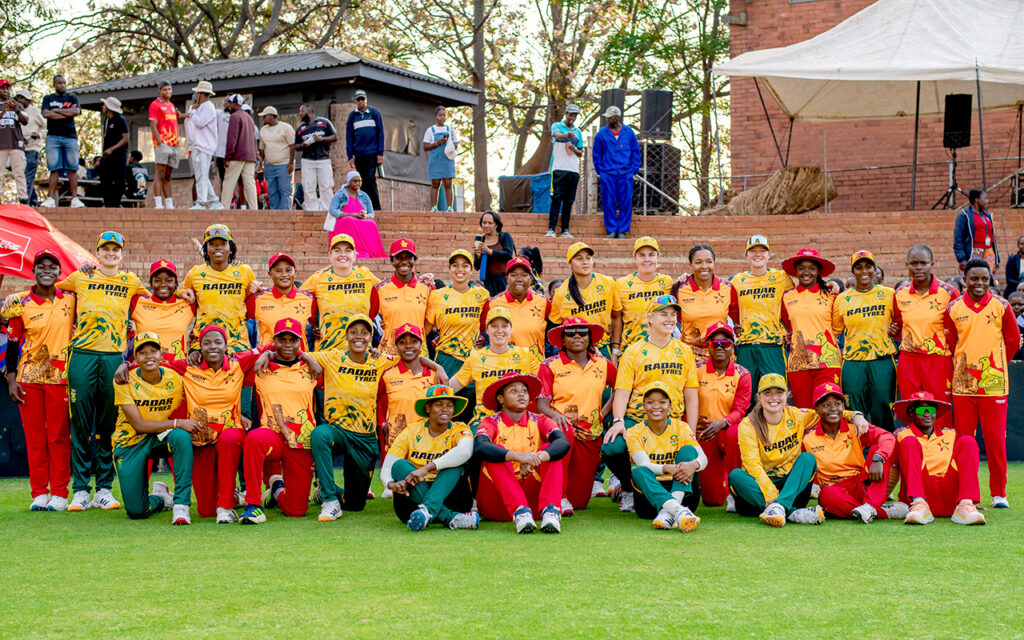
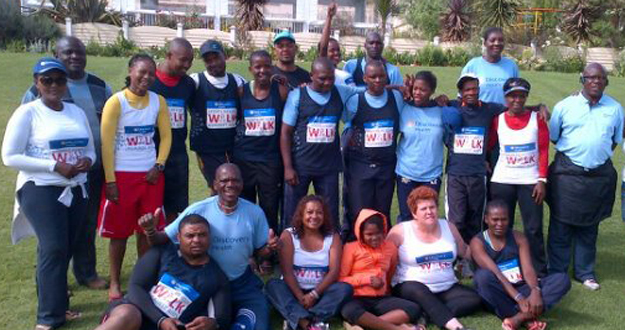

Banyana Banyana captain Amanda Dlamini and striker Noko Matlou have joined several other South African icons in the Sports Heroes Walk against HIV/AIDS, aimed at raising awareness about the pandemic in South Africa.
The campaign started in Sterkspruit on Sunday, 18 November 2012 and has seen the sporting heroes run or walk an average of 100km per day for 16 days, spreading awareness about HIV/AIDS in the Eastern Cape.
The walk ends in Umtata today, Saturday, 1 December to mark World AIDS Day.
The Sports Heroes Walk against HIV/AIDS campaign is an initiative started 12 years ago with the aim of educating communities about HIV/AIDS and the deadly stigma associated with the disease.
 The sporting heroes and heroines have been spreading messages of hope to communities about the positive role that sport can play in combatting HIV/AIDS, and other social ills. They have also been holding coaching clinics for underprivileged communities; donating school shoes to children, conducting voluntary HIV/AIDS Counselling and testing with their campaign partner Right To Care, and also conducting HIV/AIDS workshops for the Local AIDS Council of all the rural areas that they have been interacting with.
Along the 16-day journey, they have also been visiting HIV/AIDS care centres, and donating funds courtesy of Discovery Health and SASOL, to these HIV Homes or Centres.
The project has so far raised a total of R7 million since its inception in 2002 to help families and organisations that have been affected by HIV/AIDS.
Some of the other sporting heroes include former Banyana Banyana players Desiree ‘Dumpie’ Ellis (who was also captain) and Veronica ‘Bhudu’ Pewa.
“The Sports Heroes Walk for HIV/AIDS is a great initiative to raise awareness about this deadly disease. Doing this means giving back to the community and so many other people who have been greatly affected by the spread of the virus and it also means putting a smile on the faces of these children out here,” said Ellis.
“We want to use this time to encourage the children to take up sport to combat the spread of HIV/AIDS and teach them that through sport they could get scholarships to further their studies. We also want encourage them to lead healthy lifestyles. It is important for sporting figures to be good role models to these young children as they look up to us and follow in our footsteps. We hope this walk will create an impact on this community and the nation at large.”

 (0 rating, 0 votes, rated)
 Loading...