

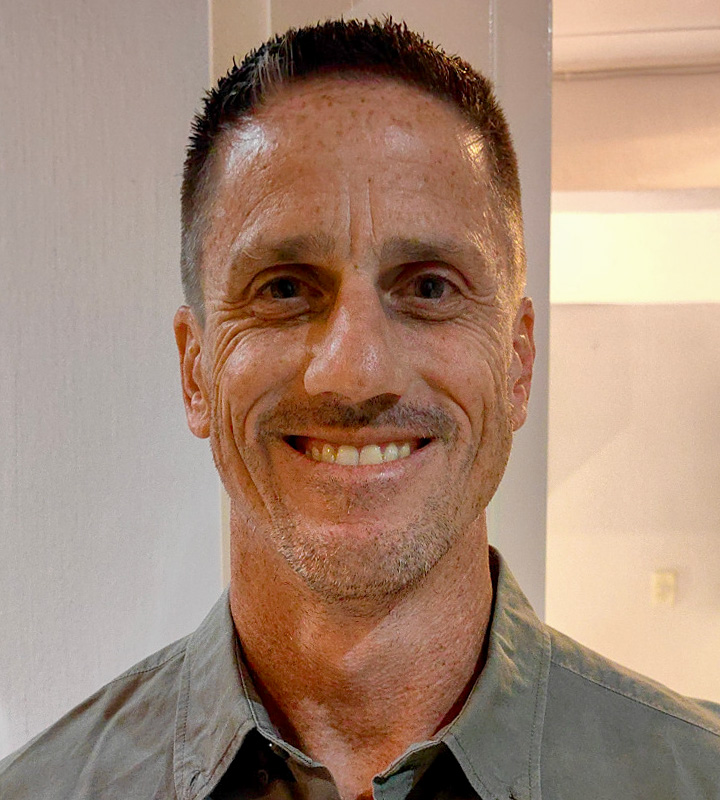
Adam Brooke did not plan to become the first man to lead Netball South Africa. He saw the position advertised on LinkedIn, applied on the strength of instinct, and was genuinely surprised when the call came. He was the last candidate interviewed that Friday afternoon, sitting across from president Mami Diale in what he describes as a warm, get-to-know-each-other conversation rather than a formal examination.
“Still didn’t hold up much expectation being a male in a female-dominated sport, but when the opportunity came it was an absolute no-brainer for me.”
Incoming Netball South Africa CEO, Adam Brooke
That candour is characteristic of the 49-year-old who officially took the reins as CEO of Netball South Africa on 1 March 2026, becoming the first man to hold the position in the federation’s history.
He brings more than two decades of experience across sports marketing, event management, sponsorship, operations and governance, with a career spanning the 2007 Tour de France, the 2010 FIFA World Cup on home soil, the 2012 Olympic Games, the Absa Cape Epic, and both Kaizer Chiefs and Orlando Pirates through the Vodacom sponsorship.
He is under no illusions about the scale of the task ahead. South Africa’s most widely participated women’s sport has the talent, the passion and the following, he says, but has not yet taken its place alongside rugby, cricket and football.
“Netball in South Africa is not where it should be. It should be along the likes of rugby, cricket, and football. Being the biggest female-participated sport in the country, there’s no reason why it shouldn’t be.”
His plan to change that rests on three pillars: commercialisation, on-court performance, and grassroots development. He is direct about which of the three presents the steepest climb. The federation is currently building netball courts across every province and working to relaunch grassroots club competitions. For Brooke, discovery requires movement. Coaches and selectors must go into communities, not wait for talent to arrive.
“It’s about getting competitions out into the communities. It’s about getting the coaches out into the communities. It’s about getting the selectors out there to be able to see the talent that is out there. So many South African sports people are talented and are never discovered. It’s now up to us to work out ways to bring them to the fore and give them the opportunity to be the best they can be.”
“Rugby found Makazole Mapimpi and countless Springboks who came from nowhere. Netball can do the same, if it is willing to go looking.”
On the commercial front, Brooke has already met all of the federation’s existing partners, including SPAR, Telkom, Hollywood Bets, Renault and Gilbert, reassuring those who had considered stepping back during a turbulent 18 months. One point of principle has defined his approach from the outset: he will not be calling them sponsors.
“I don’t actually want to use the word sponsors. I’d rather use the word ‘Partners’, because that’s what they are. In order for us to grow the sport, we need to work with partners.”
He cites a recent meeting with Renault as a clear illustration of his commercial philosophy. Their goal is selling vehicles. His question was simple: how can netball help them do that?
“These days, it’s no longer about just putting up a piece of branding on the side of the court. They’re looking for so much more. The return on investment is now integral to their decision-making.”
Among those partners, Telkom occupies a central place in both the federation’s operations and its ability to deliver competitive pathways for players across the country.
“Telkom are a truly valuable partner, not only to Netball South Africa, but to the sport as a whole. Without their commercial support, NSA would not be in a position to host tournaments such as the Telkom Netball League and the Telkom Netball Challenge, and unearth new talent within our country.”
For Brooke, the Telkom Netball League is more than a competition. It is a pipeline, and one he intends to use deliberately as he builds toward his performance targets for the Spar Proteas.
“Our partnership with Telkom has allowed us to host numerous tournaments in the country, giving players from all provinces the platform to showcase their skills and talents, and essentially it has worked as a pipeline for the top players in the country to work their way through to reach the pinnacle and have the opportunity to play their trade on the international stage.”
On the court, Brooke is setting ambitious but grounded targets. The SPAR Proteas carry medal ambitions into the Commonwealth Games, stated openly by head coach Jenny van Dyk. The 2027 Netball World Cup in Australia carries a top-four target. For 2029, he wants South Africa on the podium. He speaks about Jenny van Dyk with the kind of respect usually reserved for figures far beyond the sport.
“She reminds me a lot of Rassie Erasmus, to be quite honest.”
Nwabisa Sauls Unlocks the Power of Commercial Analytics at Nielsen Sports SA
Martha Lungu-Sichone and Malebo Raditladi-Nkgakile Build the Structure Behind Africa Netball’s Growth

Prabashnee Naidoo and Ester Baaitjies Named 2026 GSPORT Ambassadors
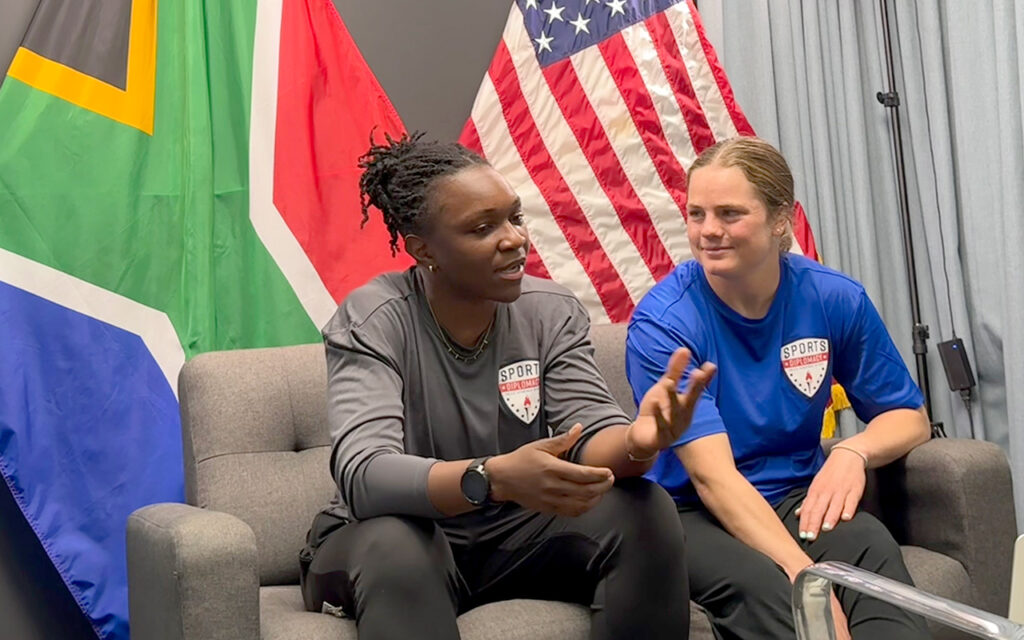
USA Eagles Stars Cheta Emba and Emily Henrich Champion Women’s Rugby Growth in South Africa
Berto Mnikina on Fight, Fatherhood and Harry Gwala’s Golden Turnaround
Player, Then Performance: Dinesha Devnarain on Building Cricketers and Leaders
The pathway to that podium runs partly through South African players already competing in the world’s top leagues in the United Kingdom, Australia and Malaysia. Brooke wants that international experience brought home into the training environment, and into coaching conversations about what the world’s leading programmes are doing differently.
His leadership philosophy was shaped not in a boardroom but on the ground at the 2010 FIFA World Cup, under a mentor he cites with clear respect. [Please confirm the name Ron Delmont with Adam Brooke before publication.] The lesson passed on was deceptively simple.
“He just brought a calmness to the team. The learning of just keeping calm, slowing everything down, and taking everything one step at a time was a true learning for me.”
That lesson is being applied now. Brooke speaks of Mami Diale in terms that make clear the relationship is already load-bearing. They speak daily, and he draws deliberately and gratefully on her 23 years of netball knowledge. He has arranged individual conversations with every member of the executive, each of whom carries deep netball experience he does not yet have and openly acknowledges.
“I would like to bring my experience to the table and neutralise the experience of the rest of the team at Netball South Africa. There is no ‘I’ in team, and that is definitely how I work.”
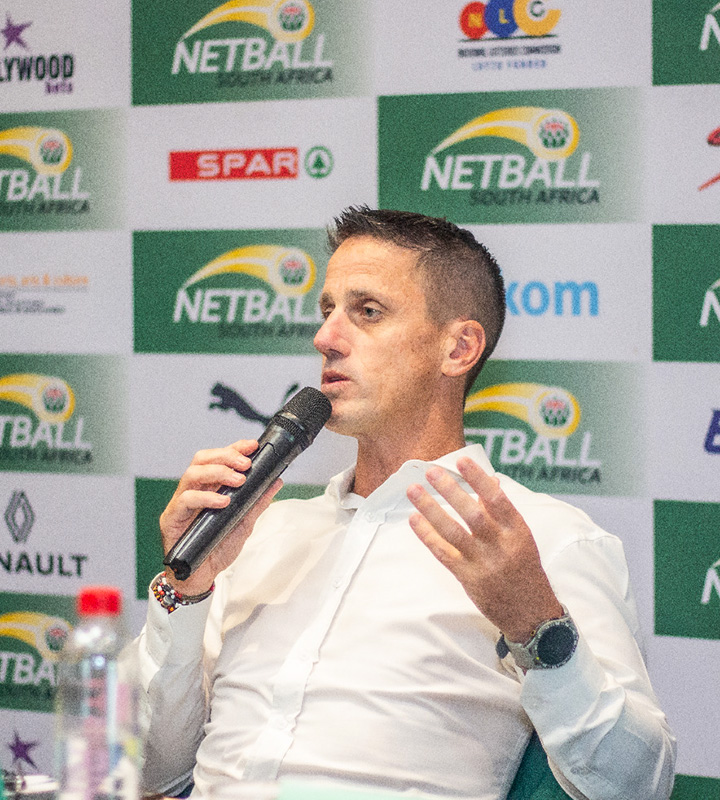
Away from the office, Brooke runs. He is training for the Comrades Marathon, heading out every evening to clear his head after whatever the day has required.
“Every evening I go and get out on the road and it brings me back down to earth. I’m just a cog in the wheel of delivering to the sport. It’s not about me in the slightest. It’s about the sport of netball and what we can do for it.”
Asked what it means to him personally, as a man, to champion a women’s sport, his answer is direct and unmistakably South African in its instinct.
“I don’t see it as this is a female sport and a male sport. I drive around in a car branded as a Renault vehicle with Netball South Africa on it. And I’m proud to drive in that car because I’m part of a South African sporting federation. I’m not proud because I’m part of a women’s sport. I’m proud because I’m part of a South African sport.”
Why cannot netball do for this country what football did in 2010, or what rugby has done across its World Cup victories? Nelson Mandela understood it. Sport does not merely reflect a nation. It builds one.
South Africa Fight Back to Keep Namibia Series Alive
Ronnel Donnelly Treble Hands Banyana Banyana First-Leg Lead

Leila Grögli Double Sinks South Africa in Opening Indoor Test
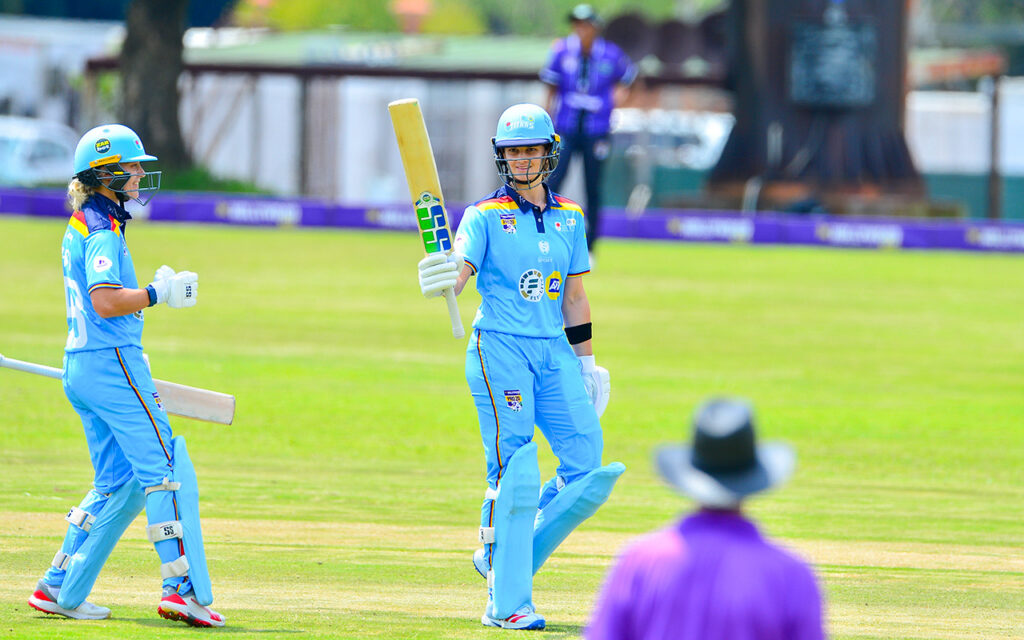
Laura Wolvaardt Leads Titans into Gauteng Derby Against Lions
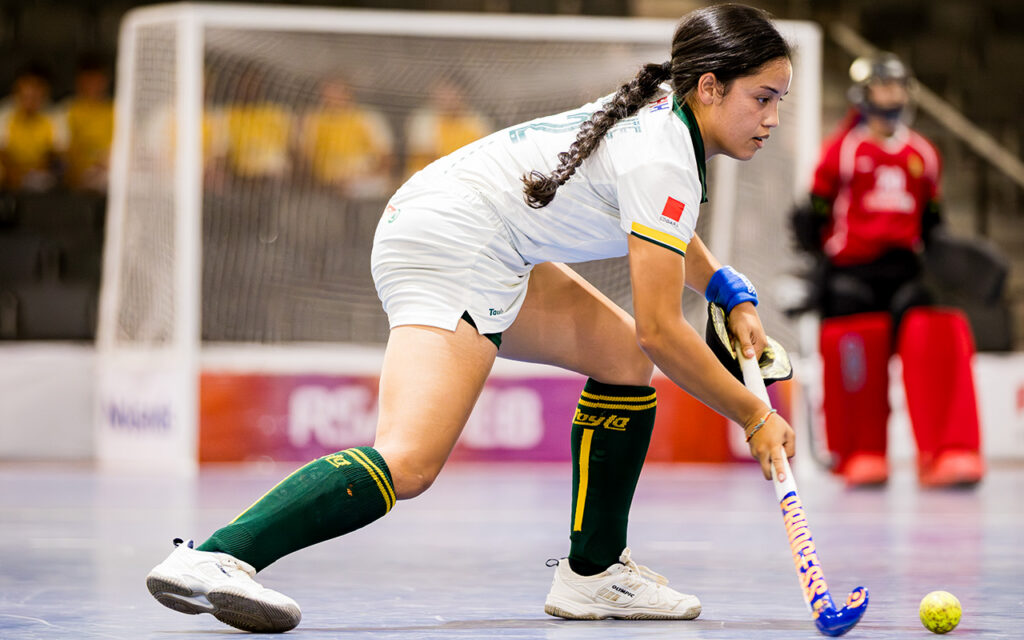
Jamie Southgate Leads Experienced Core into Namibia Test Series
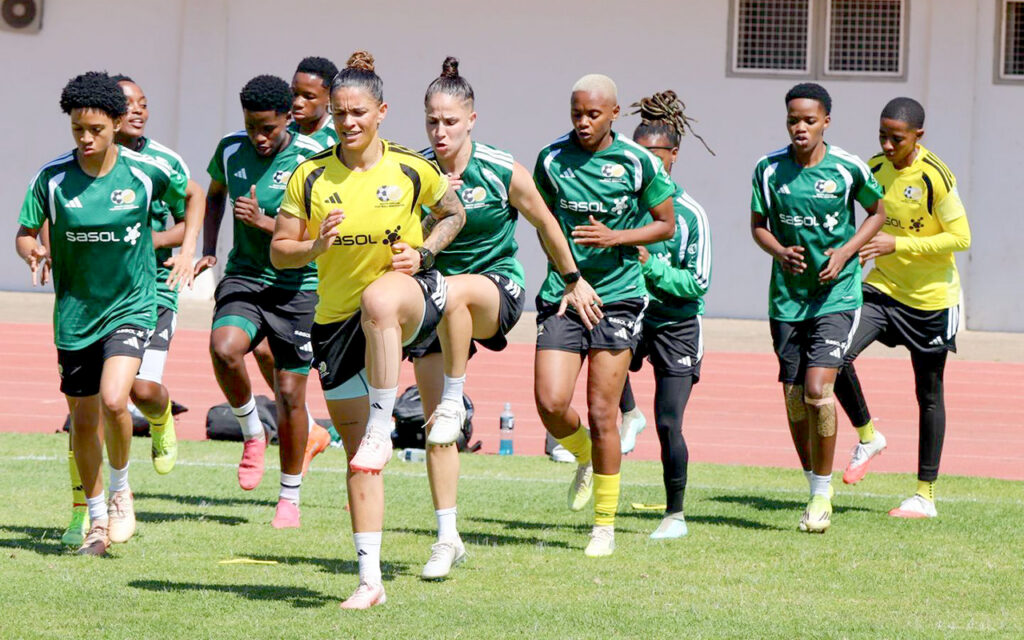
Olympic Return Target as Banyana Banyana Prepare for Madagascar
“Nelson Mandela said it perfectly: sport unifies a country better than no other. And it unifies the youth better than no other. It doesn’t matter if it’s male or female. It’s South African.”
He closes with a call to action addressed directly to every South African who has ever watched netball from the stands or played it in the street.
“There’s no reason why rugby is filling a 65,000-seat stadium and netball is only filling a 25,000-seat stadium. If we can bring the teams, then we need South Africa’s support to get behind us. Come and support our teams and come and show the love.”
Main Photo Caption: Adam Brooke, the incoming Chief Executive Officer of Netball South Africa, brings more than 20 years of experience in sports management, marketing and governance to his historic new role at the federation. All Photos: Supplied
Photo 2 Caption: Adam Brooke sets ambitious targets for Netball SA, including a top-four finish at the 2027 Netball World Cup, and a medal at the 2029 tournament.
Photo 3 Caption: As the first man appointed to lead Netball South Africa, Adam Brooke is focussed on developing grassroots talent as an immediate priority.

 (+5 rating, 5 votes, rated)
 Loading...

